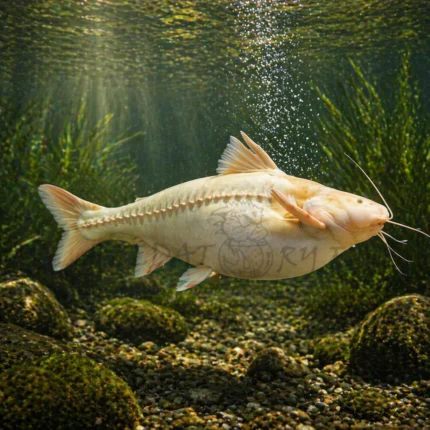
Amur Pike — Esox reichertii
Cold-water precision predator
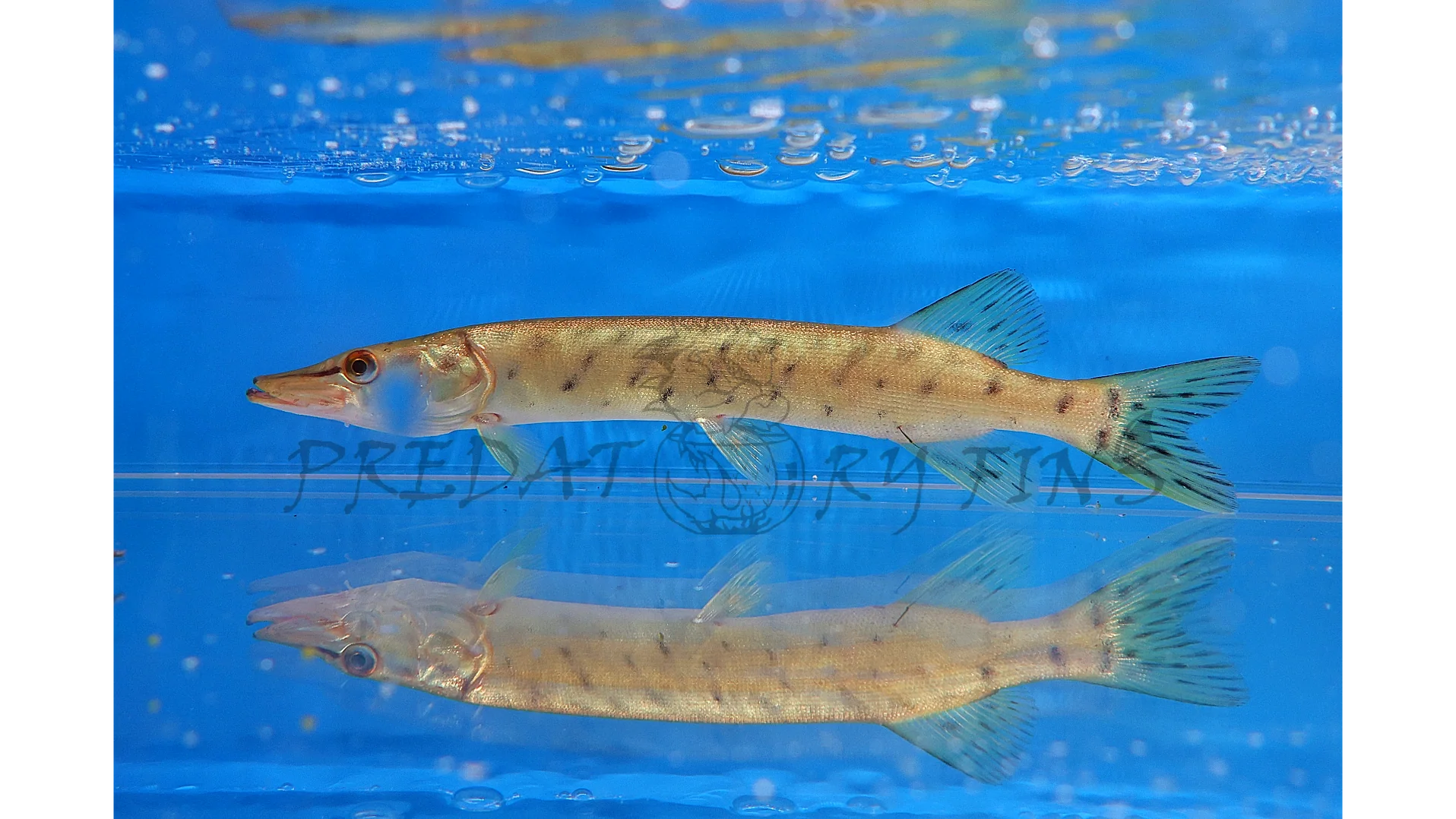
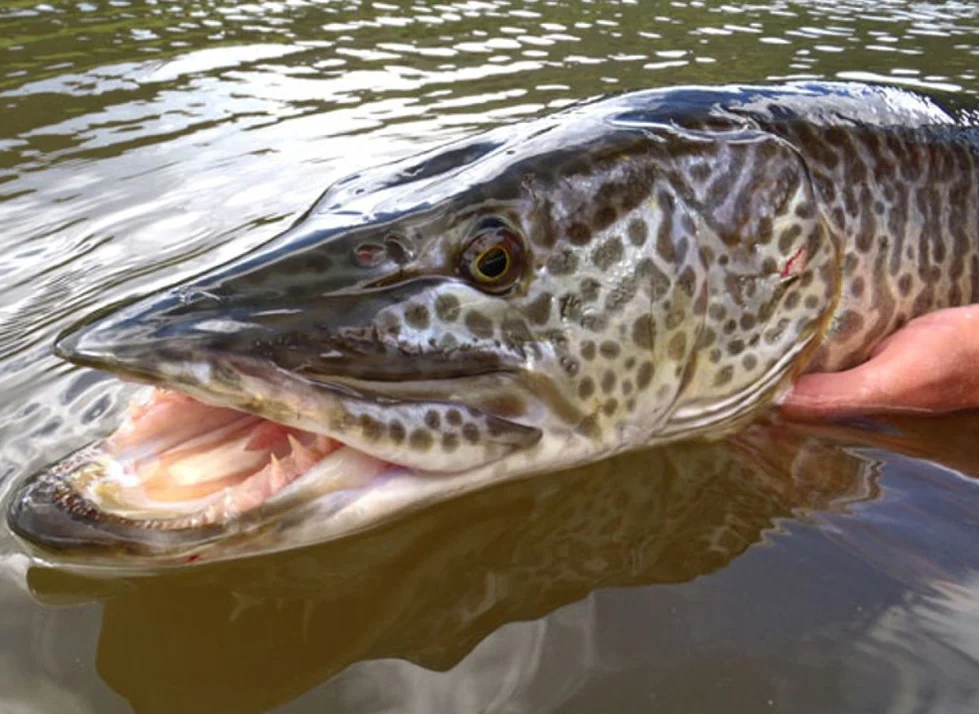
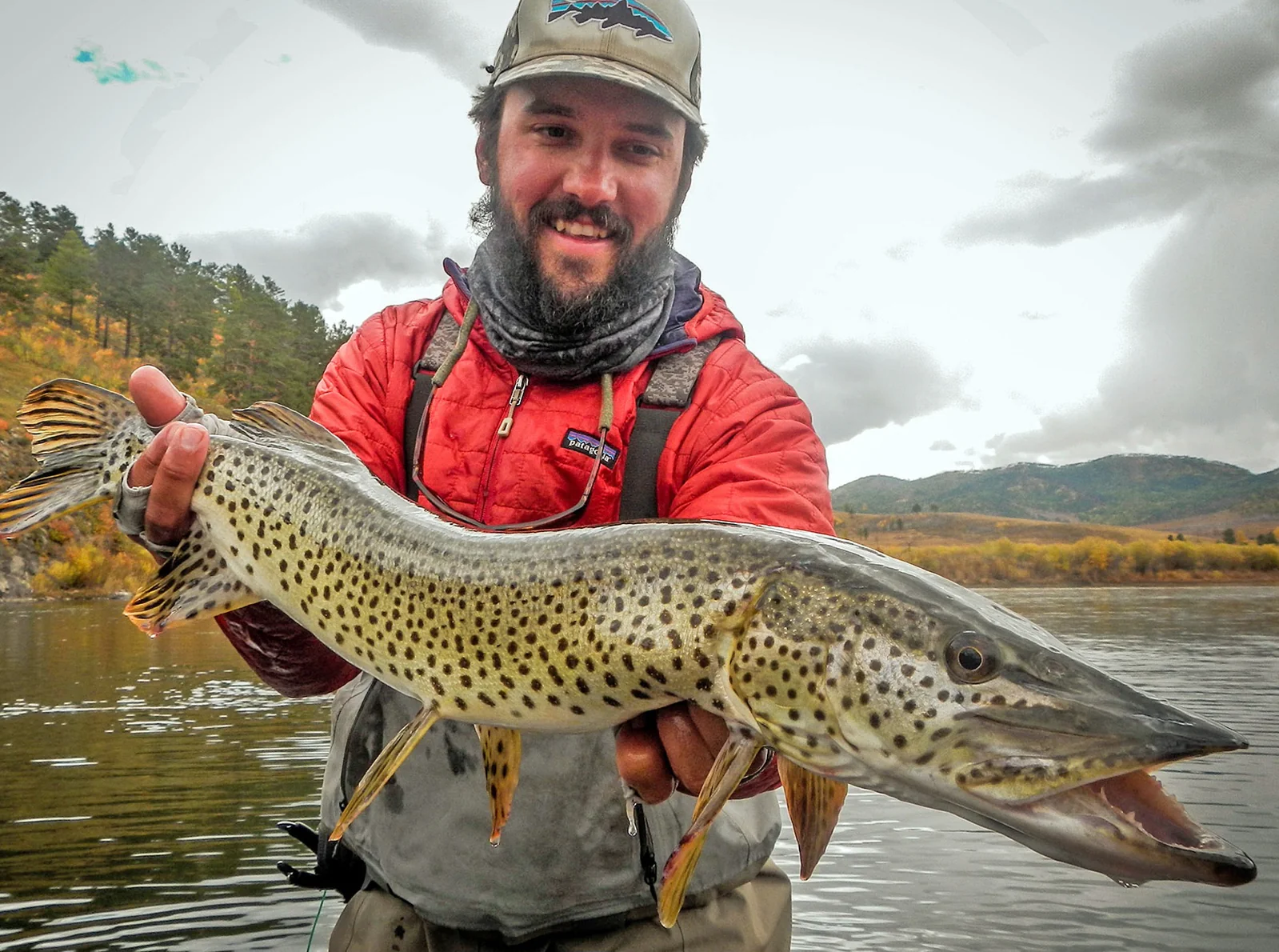
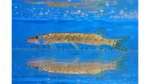
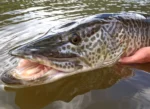
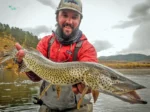
The Amur Pike is one of the most striking members of the pike family — a long, torpedo-shaped hunter wrapped in bold gold chain-like patterning over an olive body. Native to the Amur River basin of Russia and northeastern China, this species is built for cold, clear waters where patience and accuracy matter more than brute force.
With its extended snout packed with razor teeth and eyes positioned high on the head, Esox reichertii is a master ambush predator. It holds perfectly still among structure, blending into its surroundings until the exact moment prey drifts within range — then launches forward with explosive speed. The strike is instant and decisive.
Unlike tropical predators, the Amur Pike is a true cold-water species, making it suitable for chilled aquariums or indoor pond systems. When kept properly, it becomes highly alert and responsive, often tracking movement outside the tank and positioning itself strategically in anticipation of feeding.
Growing to 36+ inches, this is a serious commitment and best suited for experienced keepers with appropriate space and temperature control.
Aquarium Setup
-
Minimum Tank Size: 300 gallons (8 ft+ length strongly recommended)
-
Substrate: Sand or smooth gravel
-
Flow: Moderate current
-
Décor: Open ambush lanes with sturdy structure along edges
-
Lighting: Moderate to subdued
-
Cover: Extremely secure lid required (strong jumper)
-
Chiller: Required in most indoor setups
Tank Mates
Best kept alone or with very large, cold-water compatible species:
-
Large cold-water catfish
-
Other similarly sized predatory fish (space dependent)
Avoid tropical species and any fish small enough to be swallowed.
Water Parameters
-
Temperature: 50–68°F (10–20°C)
-
pH: 6.5–7.5
-
Hardness: Moderate
-
Filtration: Strong biological filtration
-
Oxygen: High dissolved oxygen critical
-
Water Quality: Clean, well-oxygenated, cool water essential
Diet
Strict carnivore:
-
Fish fillet
-
Whole fish (appropriately sized)
-
Shrimp and other meaty foods
(We recommend frozen/thawed over live feeders.)